

A coaching philosophy reflects a coach’s core values, beliefs, and guiding principles. It outlines their approach to working with athletes or clients and highlights their methods for fostering growth, learning, and peak performance.
Ten Coaching Pillars
- Culture – What you allow, what you emphasize, everyday
- Mindset – Individually, doing whatever the team needs in order to win, doesn’t require thinking, very intuitive. Everybody has value.
- Process Goal – Improve daily by developing good habits.
- Outcome Goal – Win every game/strive for championship
- Habits – Everyday winning behaviors
- Leadership – Player led teams, inspiring leaders
- Communication – Open, clear, and honest. Trust is built from hearing the truth, and having difficult conversations. Relationship building.
- Adversity – Inevitable, how do you handle it? Fight or Flight?
- Discipline – High standards, holding players accountable (habit building), and consistency.
- Care – Passion for the game, love what you do, respect your players/teammates, but always be a competitor (win every drill mentality).
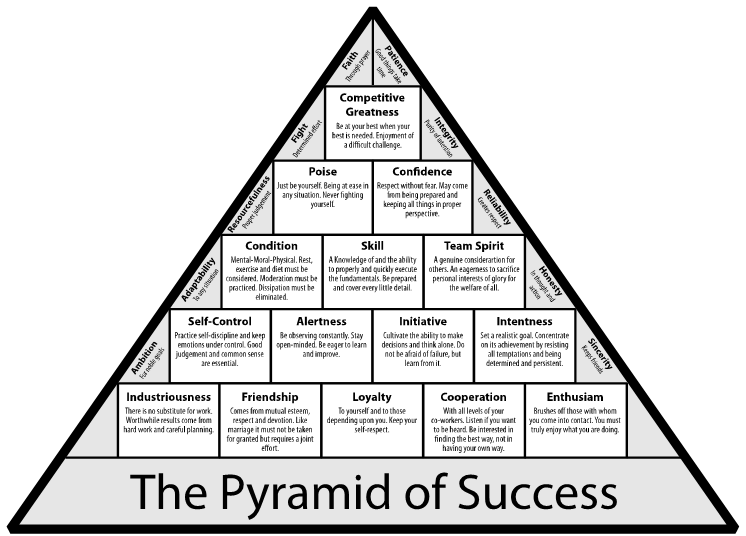
Coaching Code
Core Values. The heart of the culture, values give the team and individuals guidance in times of adversity. Integrity means to play “ethical basketball” by promoting respect, sportsmanship, and accountability. Resilience means to keep fighting no matter the outcome. Along with developing mental toughness to adapt to adverse situations. Excellence striving for high standards in all aspects of the game.
Coaching is teaching. Through the building of relationships players will trust what is being taught. Teaching the fundamentals, how to play, and most importantly life lessons/skills. Coaches must have a deep passion for the game and care about not only developing players, but also people. Valuing all players on your team also shows you care. You must make everyone feel as important as the star player – developing team spirit and chemistry will make practices more competitive creating an environment in which practice is tougher than games, which is the ultimate competitive advantage. Remember a good coach can change lives.
System of Play. Beyond just the offensive and defensive schemes, is the identity of your team. What will your team be known for? Toughness? Defense? Rebounding? Shooting? Above all your team must invest 100% in making team first winning plays. Every system should include – Defensive Identity, Offensive sets/concepts, Rebounding, and Ball Handling. Every system should also have key metrics or stats to follow. A good starter is 5-7 KILLS (3 consecutive stops). 10/10/10 (Force more than 10 Turnovers, Give up less than 10 Offensive Rebounds, Give up less than 10 Made 3FG) and vise versa. If your team can meet these benchmarks each game they will win close to 95% of games.
Organization and Preparation. As the leader of the team you, as the coach, must always be organized and prepared for anything. A disorganized coach leads to a sub-standard approach and mediocre program. The details matter, from the practice apparel, to the travel wear, to the water breaks, and pre game warm up. if you are not striving to be the best at everything you are preparing to lose. You practice how you play, and you act how you look. Everybody lifts, plays pick up, has individual workouts, so how will you separate yourself (individually and as a program) from everybody else?
The One Rule. Setting rules in a team setting is never the answer it can create this feedback loop of “special rules for special people”. So as Coach K says the one team rule is – “never do anything detrimental to the team”. The rule encompasses all behavior on and off the court. it challenges players to critical think about their actions. Allowing players to hold themselves and others accountable simultaneously. Rules can create a culture of micromanagement, we want to avoid this and allow players the freedom to do, as long as it is not detrimental. Discipline means doing the right thing, and doing it for the betterment of the team. In practice and in life this means doing everything the right way, every time.
Development
As mentioned coaching is teaching. As a teacher one of the goals is to help your students improve throughout the year. The same goes for coaching. The goal is to develop players, not just on the court, but also off the court. Development takes many forms from skill, to team development, and most importantly leadership development.
Skill development is mostly individual. Players must be working on skills that translate to games and even more finely apply to the offense or defense the team runs. Skill development typically occurs after the season, but is also important in the pre-season. Without proper skill development individuals will never improve which then hinders the teams ability to improve.
The next form of development is team based. You are only as strong as your weakest link. This is the strength and conditioning part of development. Although lifting can be an individual thing, I find it much more beneficial and competitive when done in a team setting. Having competitive team lifts builds team chemistry. Even competing at sprints, and challenging teammates to be the best version of themselves creates a winning culture. Never run from hard, and do it the right way, as its the ultimate form of competition.
The only way team and skill development is possible is through developing leaders. Without leaders none of this is possible. Leading by example is simply not enough (and selfish) leaders can come in all forms, and should be begging players to workout. You are not a leader if you, individually, do not want to improve, and two if you do not demand greatness from everyone around you, and the only way you can demand greatness is if you are doing all the little things you demand. Leadership is critical in driving team performance. Leaders never allow the level of the team to drop below the standards. So in order to develop as a leader these are the skills – Vision (goal setting), Communication (eg. building team cohesion), Accountability (taking ownership of team performance), Adaptability (handling pressure), and Inspirational (motivating the team during the highs and lows). Strong (player level) leadership will benefit team performance, enhanced team morale, and most importantly establishing a culture of accountability/excellence.
Ten Characteristics of Philosopher Coaches
- Committed to individual integrity, values, and personal growth.
- Profound thinkers who see themselves as educators, not just coaches.
- Well-educated (formally and informally) in liberal arts tradition.
- Long-run commitment of their athletes and their institution.
- Willing to experiment with new ideas
- Value the player-coach relationship, winning aside.
- Understand and appreciate human nature.
- Love thier sport and work.
- Honest and strong in character.
- Human and therefore imperfect.
From “Beyond Winning” by: Gary M. Walton – Each great philosopher coach is different. But each great philosopher coach shares those ten attributes. This is why developing a philosophy will provide more meaning to coaching and the game itself, because in the end it is bigger than wins and losses.
 HoopTalkTV